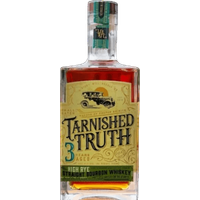
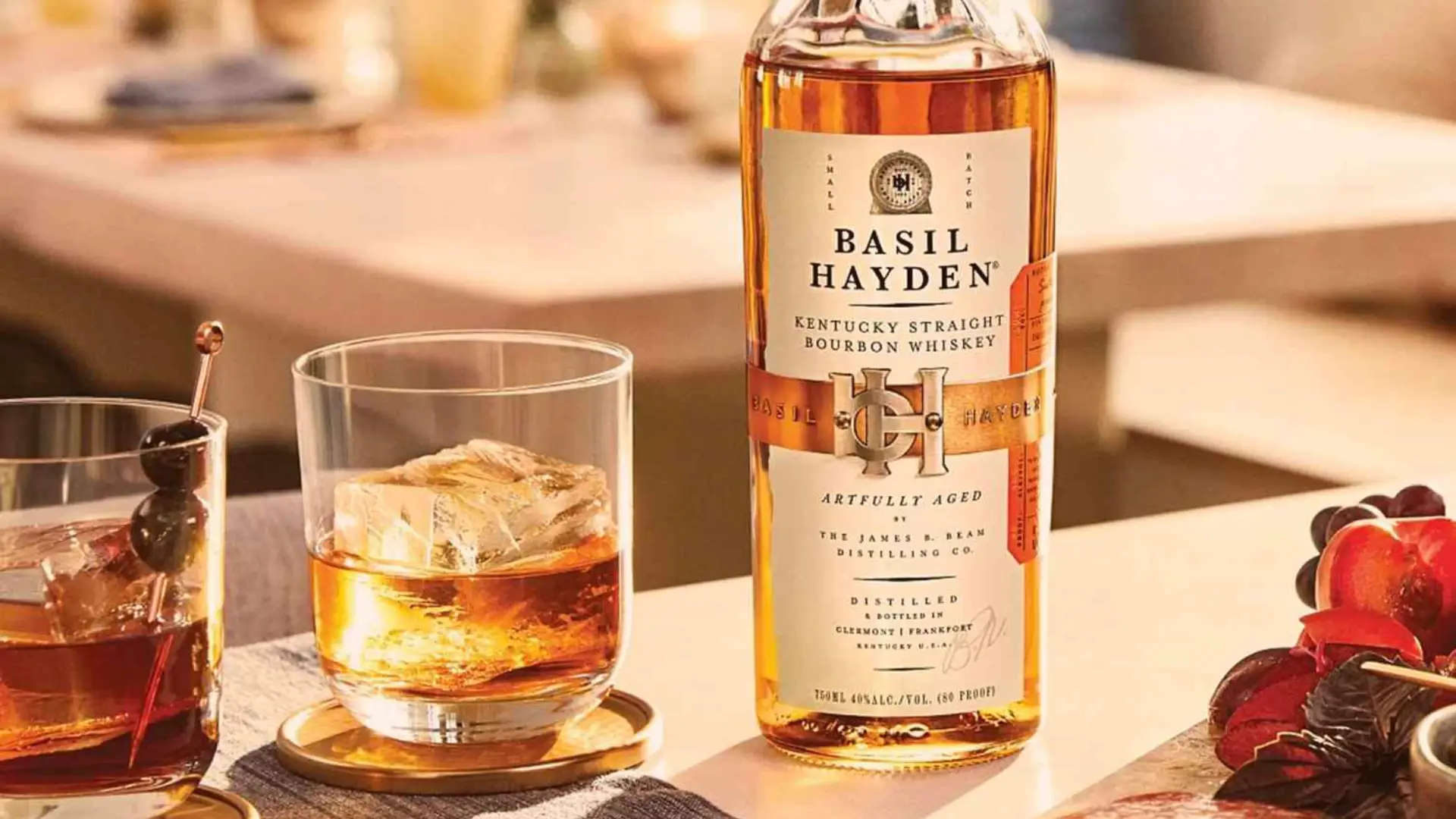
The fabrication process for High Rye Straight Bourbon Whiskey begins with the careful selection of grains. A mash bill consisting of at least 51% corn is complemented by a higher ratio of rye—often between 30%-40%—and a small amount of malted barley. The grains are milled and then cooked to convert starches into fermentable sugars, a step that is critical for the fermentation phase that follows. Yeast is introduced to the cooled mash, allowing fermentation to occur over several days, during which the yeast consumes the sugars and produces alcohol.
Following fermentation, the liquid is distilled, typically in a column still, although some producers may opt for pot stills to achieve a specific flavor profile. The distillation process typically occurs twice to refine the alcohol and enhance purity. The resulting clear spirit is then placed in new charred oak barrels, which add rich flavors of caramel, vanilla, and spice as the whiskey ages. Aged for a minimum of three years to be classified as straight bourbon, the whiskey undergoes a meticulous handcrafting approach, with each batch reflecting the unique qualities of time and environment before being bottled at a specified proof.