


Spirit

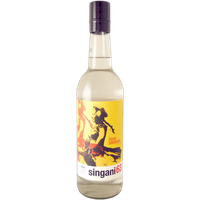
Singani 63

Singani 63 is heralded as the national spirit of Bolivia, boasting a rich legacy that spans over 500 years. Distilled from the Muscat of Alexandria grapes grown in the high-altitude vineyards of the Andes mountains, it is celebrated for its uniquely aromatic profile and exceptionally smooth palate. The spirit stands out as a pure representation of Bolivian culture and tradition, capturing the essence of the regions from which it originates. With notable advocacy from filmmaker Steven Soderbergh, who introduced Singani 63 to the United States, the spirit has garnered significant attention and appreciation, paving the way for a wider audience to discover its distinctive qualities. Singani 63 epitomizes craftsmanship with its meticulous distillation process, which highlights the care and precision involved in its creation. This premium Bolivian brandy has quickly become a symbol of national pride, embodying both historical significance and innovative progress in the spirits industry. It has recently found its way into trendy bars and restaurants, where its pristine quality continues to win over new enthusiasts.

Download on the App StoreGet it on Google Play
Singani 63

ABV

40

Introduction

Singani 63 is heralded as the national spirit of Bolivia, boasting a rich legacy that spans over 500 years. Distilled from the Muscat of Alexandria grapes grown in the high-altitude vineyards of the Andes mountains, it is celebrated for its uniquely aromatic profile and exceptionally smooth palate. The spirit stands out as a pure representation of Bolivian culture and tradition, capturing the essence of the regions from which it originates. With notable advocacy from filmmaker Steven Soderbergh, who introduced Singani 63 to the United States, the spirit has garnered significant attention and appreciation, paving the way for a wider audience to discover its distinctive qualities. Singani 63 epitomizes craftsmanship with its meticulous distillation process, which highlights the care and precision involved in its creation. This premium Bolivian brandy has quickly become a symbol of national pride, embodying both historical significance and innovative progress in the spirits industry. It has recently found its way into trendy bars and restaurants, where its pristine quality continues to win over new enthusiasts.

Tasting Notes

Singani 63 is known for its captivating aromas and refreshing taste profile. Upon nosing, it reveals inviting floral notes with hints of citrus and tropical fruits. The initial scent of freshly cut grapes is immediately apparent, layered with an enticing complexity that also showcases subtle nuances of honey and herbs. On the palate, Singani 63 is smooth and vibrant, offering a delightful mix of luscious sweetness balanced by a crisp, clean finish. The mouthfeel is light and refreshing, making it an enjoyable sipping experience without overwhelming heaviness. As it lingers, the flavor evolves, revealing additional layers of ripe fruit and a gentle, warming embrace, hallmark traits that make it a remarkable spirit to savor.

History

The origins of Singani can be traced back to the introduction of viticulture in Bolivia by Spanish colonizers over five centuries ago. Initially produced to meet local demand, this potent spirit evolved over time, becoming a mainstay of Bolivian heritage. The name 'Singani' itself is derived from the Quechua language, which refers to the artisanal distillation process that defines its production. Historically, Singani was consumed primarily in local communities, but it slowly gained recognition as a cultural emblem in Bolivia. Singani 63, the specific brand brought to international attention by filmmaker Steven Soderbergh, was born out of a chance encounter in Bolivia during the filming of 'Che' in the late 2000s. Enchanted by the complex flavors of this traditional spirit, Soderbergh recognized its potential to reach a broader audience beyond Bolivian borders. After years of navigating regulatory challenges to secure recognition in the United States, Singani 63 officially launched in 2016, marking a significant milestone in its modern history.

Fabrication Process

The fabrication process of Singani 63 is a testament to meticulous craftsmanship and quality. It begins with the careful selection of Muscat of Alexandria grapes, specifically grown in high-altitude vineyards, typically at elevations of 6,000 feet or higher. These grapes are harvested at optimal ripeness to ensure the highest concentration of aromas and flavors. After harvesting, the grapes undergo a process of crushing and pressing to extract their juice. Following this, the grape juice is fermented in stainless steel tanks where natural yeasts convert sugars into alcohol. This fermentation process is closely monitored to capture the inherent flavors of the grapes. Once the fermentation is complete, the resulting wine is distilled using traditional copper pot stills. The distillation process is conducted with great care to preserve the aromatic compounds that give Singani its signature fragrance. The spirit is then rested for a short duration before being bottled, maintaining its unaged white spirit classification. This careful, unaged production ensures a pure representation of the Muscat grape without the influence of oak, showcasing the spirit's quintessential Bolivian character.

Frequently asked questions

From which distillery is Singani 63 produced?

Singani 63 is produced by Casa Real Tarija.

Does Singani 63 contain alcohol?

Singani 63 contains alcohol with an ABV of 40%.

Find more like this in the app

Barlist brings tasting notes, stories, producers, bars, and discoveries into one mobile experience built for spirits lovers and professionals.

Download the app today

Download app
Barlist app preview