

Introduction
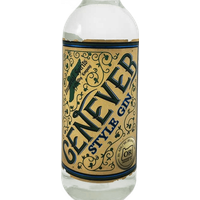
Genever Style Gin is a unique spirit that represents a traditional style rooted deeply in the history of distillation. Dating back to the 1600s in the Netherlands, genever is considered the precursor to modern gin, encapsulating a rich tapestry of flavors and craftsmanship. This spirit primarily utilizes malted grains, resembling whiskey more than the neutral spirits often associated with contemporary gin. The combination of barley, rye, and wheat forms the foundation of genever, contributing to a more pronounced and robust character compared to its younger sibling, gin. The artisan production of genever typically involves pot distillation, a process that retains the integrity of the grain characteristics, allowing for more complex flavors to emerge. With its historical lineage, genever is often seen not just as a spirit but as a cultural artifact that reflects the craftsmanship and innovation of early distillers. Each batch is carefully crafted, with many distilleries embracing both traditional methods and modern twists, ensuring that genever maintains its place in contemporary spirit production while honoring its storied past.