


Details
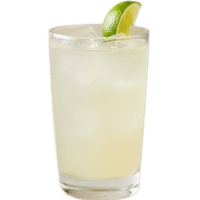
The Tequila Fizz is a refreshing highball-style cocktail that adapts the classic “Fizz” format to showcase the distinctive character of tequila. Fizzes, a family of drinks dating back to the nineteenth century, are defined by their combination of a base spirit, citrus juice, sugar, and carbonated water, producing a light, effervescent drink that is both simple and satisfying. When tequila is used as the foundation, the result is a lively and bright cocktail that marries agave’s earthy depth with citrus and sparkling refreshment. The fizz family became popular in America during the mid-1800s, with the Gin Fizz and Silver Fizz as well-known examples. As tequila gained international recognition in the twentieth century, bartenders began substituting it into established templates, giving rise to creations like the Tequila Fizz. This adaptation not only introduced tequila to a broader audience but also aligned it with the growing appreciation for lighter, more refreshing drinks. A traditional Tequila Fizz is prepared by shaking tequila with fresh lemon or lime juice and a touch of sugar syrup, then straining the mixture into a tall glass filled with ice and topping it with soda water. The drink may be garnished with a citrus wheel or wedge, highlighting its clean, crisp character. Some modern interpretations incorporate egg white, echoing the texture of classic gin-based fizzes, though the simpler version without egg white is more common. The appeal of the Tequila Fizz lies in its balance and versatility. It retains the fizz family’s trademark refreshment while allowing the unique vegetal and peppery notes of tequila to shine. This makes it particularly well-suited to warm weather, where its effervescence and citrus-driven brightness complement tequila’s natural affinity for sunshine and casual gatherings. Today, the Tequila Fizz is not as universally known as the Margarita or Paloma, but it remains a respected variation for those who appreciate tequila in a lighter style. Its history underscores the adaptability of classic cocktail templates and the way spirits from different traditions can be seamlessly integrated into global mixology.