

Details
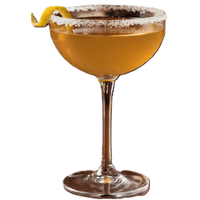
The Sidecar is a cornerstone of classic cocktail culture, a refined balance of brandy, orange liqueur, and lemon juice that has endured as one of the great drinks of the twentieth century. Its crisp structure and harmonious blend of sweet, sour, and strong elements make it both sophisticated and approachable, appealing to seasoned enthusiasts and casual drinkers alike. The precise origins of the Sidecar are debated, but most histories place its creation during or just after World War I. Paris and London are often cited as its birthplaces, with the Ritz Hotel in Paris traditionally credited for popularizing the recipe. The cocktail’s name is said to have come from a motorcycle sidecar, either as a playful reference to a military officer who favored the drink or as a nod to the stylish modernity of the machine during the 1910s and 1920s. The Sidecar belongs to the sour family of cocktails, its formula closely related to the daisy, which blends a base spirit with citrus and a liqueur. In this case, Cognac or brandy serves as the foundation, combined with Cointreau or triple sec for sweetness, and fresh lemon juice for acidity. The drink is usually shaken with ice and strained into a chilled coupe or cocktail glass, often with a sugared rim to soften the tartness. Its earliest printed recipes vary slightly, with some calling for equal parts brandy, orange liqueur, and lemon juice, while others recommend a more spirit-forward ratio. This difference reflects the evolution of the cocktail palate, with modern versions typically favoring a stronger emphasis on Cognac to provide depth and richness. The Sidecar’s rise in popularity coincided with the interwar years, when European café culture and American Prohibition intersected, making Paris a hub for expatriates and experimental bartending. Its elegant simplicity and cosmopolitan flair ensured that it spread quickly across the Atlantic once Prohibition ended, becoming a staple of hotel bars and cocktail manuals throughout the twentieth century. Today, the Sidecar remains a benchmark of balance and style. Bartenders often treat it as a measure of skill, since its three components must be carefully proportioned to achieve the drink’s signature harmony. Whether enjoyed in its classic form or in contemporary riffs, the Sidecar continues to embody the timeless appeal of cocktails that are both straightforward and sophisticated.