

Details
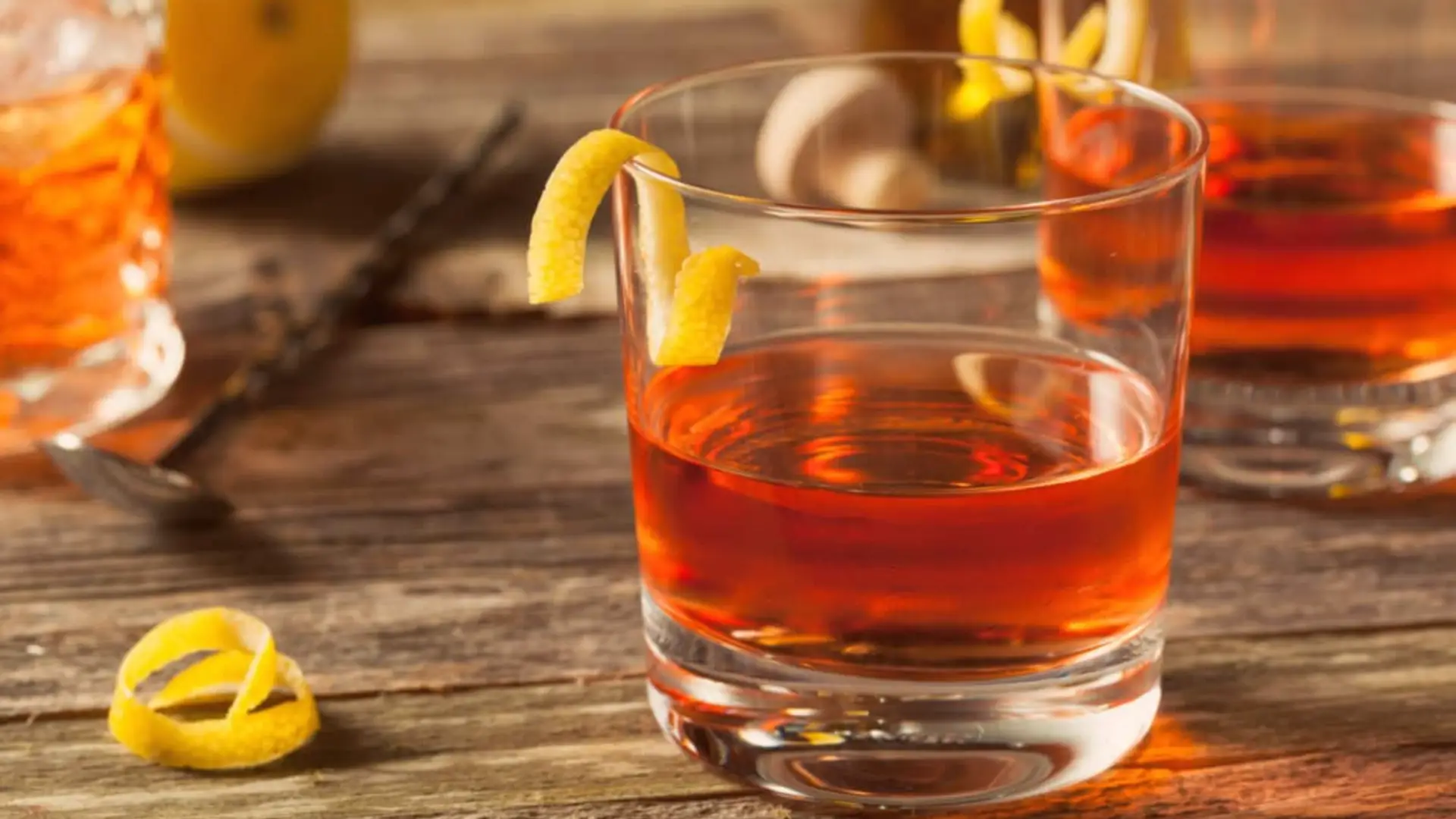
The Sazerac is one of the oldest and most storied cocktails in American history, a drink deeply tied to the city of New Orleans and regarded as a cultural emblem of the Crescent City. Built on rye whiskey, sugar, Peychaud’s bitters, and an absinthe rinse, the Sazerac embodies tradition, ritual, and regional pride in equal measure. The cocktail’s origins date back to the mid nineteenth century. Apothecary Antoine Amédée Peychaud, who had emigrated from Haiti to New Orleans, created the distinctive bitters that would later define the drink. The Sazerac de Forge et Fils brandy was initially used as the base spirit, and the cocktail was served at the Sazerac Coffee House, which lent the drink its name. As phylloxera devastated French vineyards in the late 1800s, brandy became scarce and rye whiskey took its place, giving the Sazerac the bold character it is known for today. The ritual of preparation is as important as the ingredients themselves. A chilled glass is rinsed with absinthe or an anise-flavored substitute, imparting an aromatic backdrop. The whiskey is stirred with a sugar cube and Peychaud’s bitters, then strained into the prepared glass and finished with a twist of lemon peel expressed over the top. This careful method reflects the respect accorded to the cocktail as a living tradition rather than a casual mix. The Sazerac was officially declared the “Official Cocktail of New Orleans” in 2008, but long before that designation it was already a symbol of the city’s identity. It embodies the unique convergence of French, Creole, and American influences that define New Orleans culture, and it remains a fixture in the city’s historic bars, from the Roosevelt Hotel’s Sazerac Bar to local neighborhood establishments. Today the Sazerac is celebrated worldwide by cocktail enthusiasts who admire its deep historical roots and its uncompromising flavor profile. With every serving, it offers not just a drink but an experience that connects modern drinkers to the enduring legacy of New Orleans’ cocktail heritage.