


Cocktail

Moscow Mule

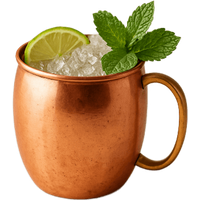
The Moscow Mule is one of the most recognizable and refreshing cocktails of the 20th century, famed not only for its crisp, invigorating flavor but also for its iconic presentation in a copper mug. Its story begins in the United States during the 1940s, not in Moscow as its name might suggest. The drink was created as a marketing collaboration between John G. Martin, who had recently acquired the rights to distribute Smirnoff vodka in America, and Jack Morgan, owner of the Cock ’n’ Bull pub in Los Angeles, which was known for its house-made ginger beer. Together, they devised the Moscow Mule as a way to popularize vodka, which at the time was not widely embraced by American drinkers. The cocktail’s clever branding and visual identity played a major role in its success. Served in a copper mug, the Moscow Mule immediately stood out from other drinks, offering not just a distinctive look but also a unique tactile experience. The copper kept the cocktail cold, enhancing its refreshing character and creating a visual symbol that would become synonymous with the drink. This combination of marketing, innovation, and presentation helped the Moscow Mule spread quickly through bars across the United States. During the mid-20th century, the Moscow Mule became a pivotal cocktail in shaping the American perception of vodka. At a time when whiskey and gin dominated the bar scene, the Mule introduced vodka to a new audience and helped establish it as a versatile base spirit. Its approachable flavor profile, blending the sharp bite of ginger beer with the brightness of lime, made it appealing to a broad range of drinkers, contributing to the spirit’s growing popularity. The Cold War era brought an added layer of intrigue to the Moscow Mule’s identity. Despite its name suggesting a Russian origin, the drink’s American roots made it an ironic cultural statement. Some historians argue that the name was deliberately chosen to emphasize the association with vodka, while others see it as a playful nod to the global political climate of the time. Either way, the cocktail retained its popularity throughout the decades, unaffected by geopolitical tensions. Over time, the Moscow Mule inspired countless variations, including the Kentucky Mule made with bourbon, the Mexican Mule made with tequila, and the Gin-Gin Mule, which substitutes gin. These adaptations maintained the essence of the original while allowing bartenders to experiment with different flavor foundations. The classic recipe, however, has remained largely unchanged, a testament to its perfect balance of simplicity and refreshment. Today, the Moscow Mule enjoys a celebrated status in the world of cocktails, featured on menus in bars ranging from casual pubs to high-end establishments. Its enduring appeal lies in its adaptability, striking presentation, and clean, invigorating taste. The copper mug remains a key part of its legacy, ensuring that the Moscow Mule continues to stand out not just as a drink but as a cultural icon of cocktail history. The flavor of the Moscow Mule is sharp, cooling, and refreshing. The spiciness of ginger beer provides a lively bite, while the lime juice contributes brightness and acidity that lift the drink. Vodka serves as a clean and neutral base, allowing the other flavors to shine, while the copper mug enhances the chill and adds to the sensory enjoyment. The overall impression is invigorating, zesty, and thirst-quenching.

Download on the App StoreGet it on Google Play
Moscow Mule

Glass type

Copper Mug

Details

The Moscow Mule is one of the most recognizable and refreshing cocktails of the 20th century, famed not only for its crisp, invigorating flavor but also for its iconic presentation in a copper mug. Its story begins in the United States during the 1940s, not in Moscow as its name might suggest. The drink was created as a marketing collaboration between John G. Martin, who had recently acquired the rights to distribute Smirnoff vodka in America, and Jack Morgan, owner of the Cock ’n’ Bull pub in Los Angeles, which was known for its house-made ginger beer. Together, they devised the Moscow Mule as a way to popularize vodka, which at the time was not widely embraced by American drinkers. The cocktail’s clever branding and visual identity played a major role in its success. Served in a copper mug, the Moscow Mule immediately stood out from other drinks, offering not just a distinctive look but also a unique tactile experience. The copper kept the cocktail cold, enhancing its refreshing character and creating a visual symbol that would become synonymous with the drink. This combination of marketing, innovation, and presentation helped the Moscow Mule spread quickly through bars across the United States. During the mid-20th century, the Moscow Mule became a pivotal cocktail in shaping the American perception of vodka. At a time when whiskey and gin dominated the bar scene, the Mule introduced vodka to a new audience and helped establish it as a versatile base spirit. Its approachable flavor profile, blending the sharp bite of ginger beer with the brightness of lime, made it appealing to a broad range of drinkers, contributing to the spirit’s growing popularity. The Cold War era brought an added layer of intrigue to the Moscow Mule’s identity. Despite its name suggesting a Russian origin, the drink’s American roots made it an ironic cultural statement. Some historians argue that the name was deliberately chosen to emphasize the association with vodka, while others see it as a playful nod to the global political climate of the time. Either way, the cocktail retained its popularity throughout the decades, unaffected by geopolitical tensions. Over time, the Moscow Mule inspired countless variations, including the Kentucky Mule made with bourbon, the Mexican Mule made with tequila, and the Gin-Gin Mule, which substitutes gin. These adaptations maintained the essence of the original while allowing bartenders to experiment with different flavor foundations. The classic recipe, however, has remained largely unchanged, a testament to its perfect balance of simplicity and refreshment. Today, the Moscow Mule enjoys a celebrated status in the world of cocktails, featured on menus in bars ranging from casual pubs to high-end establishments. Its enduring appeal lies in its adaptability, striking presentation, and clean, invigorating taste. The copper mug remains a key part of its legacy, ensuring that the Moscow Mule continues to stand out not just as a drink but as a cultural icon of cocktail history. The flavor of the Moscow Mule is sharp, cooling, and refreshing. The spiciness of ginger beer provides a lively bite, while the lime juice contributes brightness and acidity that lift the drink. Vodka serves as a clean and neutral base, allowing the other flavors to shine, while the copper mug enhances the chill and adds to the sensory enjoyment. The overall impression is invigorating, zesty, and thirst-quenching.

Ingredients

  • 2 oz Vodka
  • 2 oz Lime juice
  • 8 oz Ginger ale

Instructions

  1. Combine vodka and ginger beer in a highball glass filled with ice.
  2. Add lime juice.
  3. Stir gently.
  4. Garnish.

Frequently asked questions

With what glass should I drink Moscow Mule?

Moscow Mule is typically served in a Copper Mug.

With what spirit should I prepare Moscow Mule?

Moscow Mule can be prepared with spirits such as Vodka, juice, ale.

Find more like this in the app

Barlist brings tasting notes, stories, producers, bars, and discoveries into one mobile experience built for spirits lovers and professionals.

Download the app today

Download app
Barlist app preview