

Details
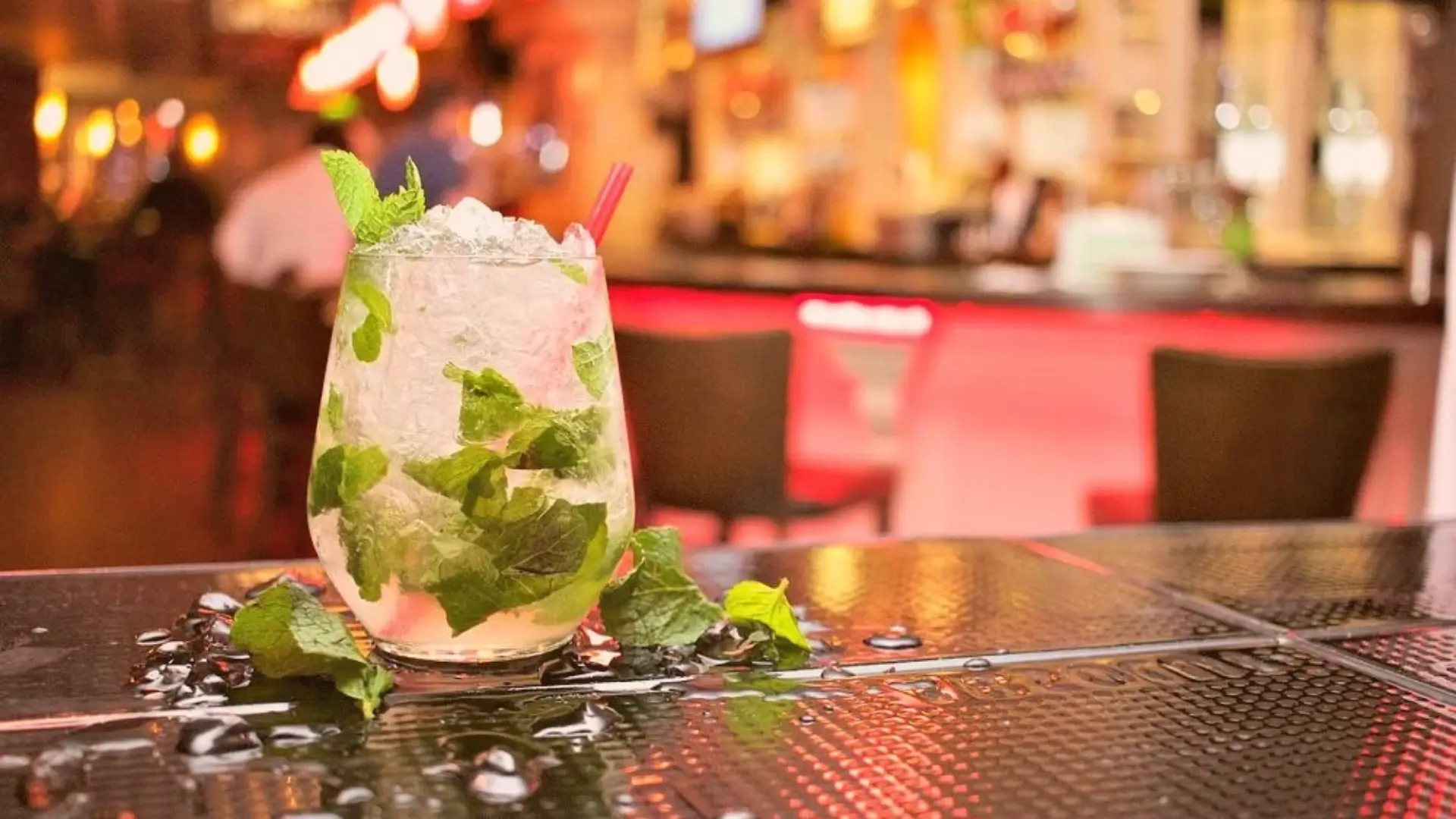
The Mojito stands as one of Cuba’s most enduring contributions to cocktail culture, a drink that captures the essence of Caribbean refreshment with its blend of rum, lime, mint, sugar, and soda water. Its charm lies in its balance of sweetness, acidity, and herbal brightness, a combination that has made it a staple in both tropical bars and international lounges. The origins of the Mojito can be traced back to the sixteenth century, when English privateer Francis Drake landed in Havana in 1586. Local inhabitants prepared a medicinal mix of aguardiente, lime, sugar, and mint, known as “El Draque,” to combat illness and scurvy among sailors. Over time, as rum production in the Caribbean improved, aguardiente gave way to refined rum, transforming the rustic remedy into a pleasurable drink. By the nineteenth century the Mojito had become established in Cuba as a popular refreshment, enjoyed in homes and taverns alike. Its rise to global fame occurred during the early twentieth century, when Havana attracted international visitors seeking nightlife and elegance. At bars such as La Bodeguita del Medio, the Mojito was perfected and popularized, served with fresh mint sprigs and crushed ice to accentuate its cooling qualities. The cocktail’s reputation was further enhanced by literary associations, particularly through Ernest Hemingway, who frequented Havana and praised the Mojito as one of his preferred drinks. From that point onward, the Mojito became synonymous with Cuban hospitality and the carefree atmosphere of island life. Today it is regarded not only as a refreshing choice but also as a historical cocktail that embodies centuries of Caribbean tradition. Whether served in a classic form or with modern twists that incorporate fruit infusions and artisanal rums, the Mojito continues to represent the timeless appeal of balance, simplicity, and cultural heritage.