

Cocktail

Margarita

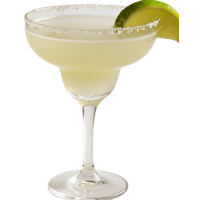
The Margarita is one of the most enduring and beloved cocktails in the world, often regarded as the quintessential expression of Mexican mixology. Its origins are surrounded by multiple stories, with different bartenders and locales claiming credit for its invention during the 1930s and 1940s. One of the most widely accepted tales places its birth in Tijuana or Ensenada, Mexico, where it is said to have been created for an American socialite named Margarita. Regardless of its precise beginnings, the Margarita quickly became a symbol of hospitality and celebration, reflecting the spirit of Mexico itself. The foundation of the Margarita lies in tequila, the national spirit of Mexico, distilled from the blue agave plant primarily in the state of Jalisco. By combining tequila with lime juice and orange liqueur, the Margarita embodies a perfect harmony of flavors: earthy and herbal from the agave, tart from the citrus, and sweet from the liqueur. This balance made it not only distinctive but also approachable to international palates, fueling its global rise during the mid-20th century. The drink’s popularity soared in the United States after World War II, coinciding with a greater availability of tequila across the border. The Margarita soon became a staple in Mexican-American restaurants, where its festive character paired perfectly with the cuisine. The practice of salting the rim of the glass added another sensory dimension, enhancing the flavors and creating an iconic presentation that has endured through the decades. As with many classic cocktails, variations of the Margarita soon emerged. Bartenders experimented with fruits such as strawberry, mango, and passionfruit, blending them into frozen versions that became especially popular during the latter half of the 20th century. While these variations added playful creativity, the original shaken version remains the gold standard for purists, celebrated for its clarity and balance. The Margarita has also played a significant role in cocktail competitions and has become a cultural ambassador for tequila worldwide. Its association with relaxation, beach settings, and celebration has helped it maintain a timeless appeal, particularly in warm climates and festive occasions. At the same time, artisanal and premium tequilas have elevated the drink to new heights, encouraging a deeper appreciation for the craftsmanship behind both the spirit and the cocktail. Today, the Margarita is prepared in countless bars across the globe, from casual beachside cantinas to fine dining establishments. Its enduring legacy lies in its ability to remain adaptable and relevant while preserving its essence as a cocktail rooted in Mexican tradition. More than just a drink, the Margarita represents conviviality, craftsmanship, and cultural identity. The flavor of a well-made Margarita is both vibrant and balanced, with the sharp tang of lime playing against the smooth sweetness of orange liqueur. Tequila provides a distinctive backbone, offering earthy, vegetal, and slightly peppery notes, while the salted rim adds a contrasting savoriness that enhances the entire experience. When served over ice, the drink is crisp and refreshing, though it can also be enjoyed straight up for a more refined expression.
Download on the App StoreGet it on Google Play
Margarita

Glass type

Cocktail glass

Details

The Margarita is one of the most enduring and beloved cocktails in the world, often regarded as the quintessential expression of Mexican mixology. Its origins are surrounded by multiple stories, with different bartenders and locales claiming credit for its invention during the 1930s and 1940s. One of the most widely accepted tales places its birth in Tijuana or Ensenada, Mexico, where it is said to have been created for an American socialite named Margarita. Regardless of its precise beginnings, the Margarita quickly became a symbol of hospitality and celebration, reflecting the spirit of Mexico itself. The foundation of the Margarita lies in tequila, the national spirit of Mexico, distilled from the blue agave plant primarily in the state of Jalisco. By combining tequila with lime juice and orange liqueur, the Margarita embodies a perfect harmony of flavors: earthy and herbal from the agave, tart from the citrus, and sweet from the liqueur. This balance made it not only distinctive but also approachable to international palates, fueling its global rise during the mid-20th century. The drink’s popularity soared in the United States after World War II, coinciding with a greater availability of tequila across the border. The Margarita soon became a staple in Mexican-American restaurants, where its festive character paired perfectly with the cuisine. The practice of salting the rim of the glass added another sensory dimension, enhancing the flavors and creating an iconic presentation that has endured through the decades. As with many classic cocktails, variations of the Margarita soon emerged. Bartenders experimented with fruits such as strawberry, mango, and passionfruit, blending them into frozen versions that became especially popular during the latter half of the 20th century. While these variations added playful creativity, the original shaken version remains the gold standard for purists, celebrated for its clarity and balance. The Margarita has also played a significant role in cocktail competitions and has become a cultural ambassador for tequila worldwide. Its association with relaxation, beach settings, and celebration has helped it maintain a timeless appeal, particularly in warm climates and festive occasions. At the same time, artisanal and premium tequilas have elevated the drink to new heights, encouraging a deeper appreciation for the craftsmanship behind both the spirit and the cocktail. Today, the Margarita is prepared in countless bars across the globe, from casual beachside cantinas to fine dining establishments. Its enduring legacy lies in its ability to remain adaptable and relevant while preserving its essence as a cocktail rooted in Mexican tradition. More than just a drink, the Margarita represents conviviality, craftsmanship, and cultural identity. The flavor of a well-made Margarita is both vibrant and balanced, with the sharp tang of lime playing against the smooth sweetness of orange liqueur. Tequila provides a distinctive backbone, offering earthy, vegetal, and slightly peppery notes, while the salted rim adds a contrasting savoriness that enhances the entire experience. When served over ice, the drink is crisp and refreshing, though it can also be enjoyed straight up for a more refined expression.
Ingredients

  • 1 1/2 oz Tequila
  • 1/2 oz Triple sec
  • 1 oz Lime juice
  • Salt

Instructions

  1. Rub the rim of the glass with the lime slice to make the salt stick to it.
  2. Take care to moisten only the outer rim and sprinkle the salt on it.
  3. The salt should present to the lips of the imbiber and never mix into the cocktail.
  4. Shake the other ingredients with ice, then carefully pour into the glass.

Frequently asked questions

With what glass should I drink Margarita?

Margarita is typically served in a Cocktail glass.

With what spirit should I prepare Margarita?

Margarita can be prepared with spirits such as Tequila, sec, juice, Salt.

Find more like this in the app

Barlist brings tasting notes, stories, producers, bars, and discoveries into one mobile experience built for spirits lovers and professionals.

Download the app today

Download app
Barlist app preview