

Cocktail

Mai Tai

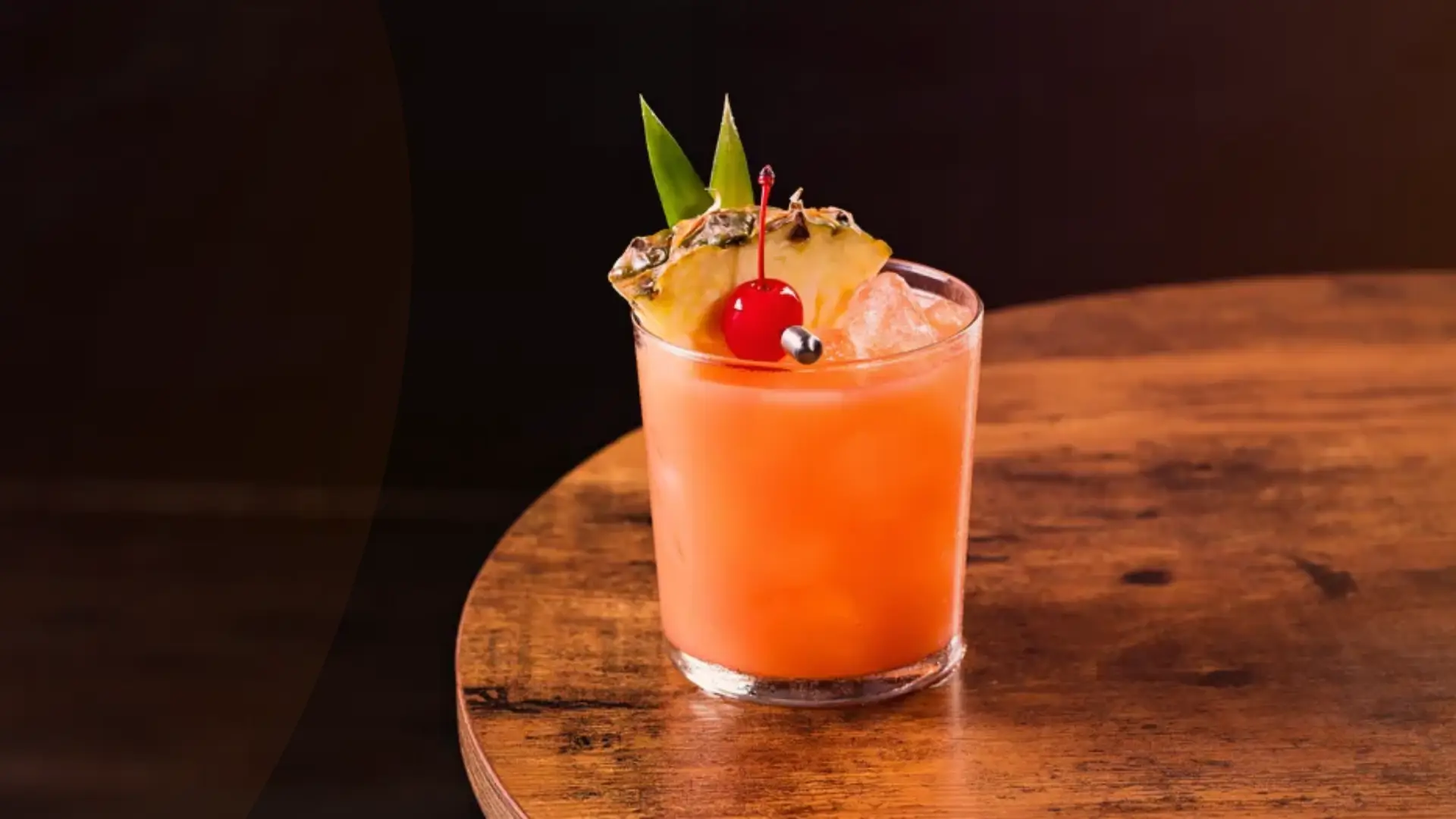
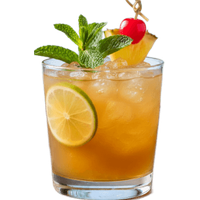
The Mai Tai is one of the most iconic creations of mid-twentieth-century tiki culture, a cocktail that has come to symbolize exotic escapism, Polynesian-inspired bars, and the golden age of rum drinks. Known for its layered flavors of rich rum, fresh lime, orange liqueur, and orgeat syrup, it is a drink that balances tropical sweetness with refreshing acidity, all while showcasing the depth of fine Caribbean rums. The Mai Tai’s origins are famously tied to the rivalry between two legendary figures of tiki mixology: Victor “Trader Vic” Bergeron and Ernest Raymond Beaumont Gantt, better known as Don the Beachcomber. Trader Vic is most often credited with creating the Mai Tai in 1944 at his Oakland, California bar. According to his account, he crafted the drink for visiting friends from Tahiti, who upon tasting it exclaimed, “Maita’i roa ae!”—Tahitian for “out of this world, the best.” From this phrase, the cocktail took its name. The classic formula is built on aged Jamaican rum, combined with fresh lime juice, orange curaçao, and orgeat, a sweet almond syrup with floral notes. The drink is shaken and served over crushed ice, traditionally garnished with a mint sprig and spent lime shell, giving it both aroma and visual appeal. Over time, variations emerged, some incorporating additional rums or fruit juices, though purists argue that the original was an exercise in restraint rather than excess. The Mai Tai’s rise to fame coincided with the tiki boom of the 1940s through the 1960s, when American fascination with Polynesian themes filled restaurants and bars with bamboo, thatched roofs, and elaborate rum concoctions. The drink became a centerpiece of this cultural movement, embodying both the escapist fantasies of the era and the creative ingenuity of tiki bartenders. Its popularity spread internationally, particularly after World War II, when returning servicemen who had visited the Pacific sought similar flavors back home. Culturally, the Mai Tai came to represent not only tiki bars but also postwar leisure, vacation travel, and the allure of the South Pacific. While many later versions were sweetened with pineapple or grenadine to appeal to broader tastes, the original remains a study in balance—an homage to the craft of cocktail making rather than just decoration. Today the Mai Tai endures as one of the most beloved rum cocktails in the world. In craft cocktail circles, bartenders often return to the 1944 Trader Vic recipe, emphasizing high-quality rums and authentic orgeat to restore the drink’s complexity. Whether enjoyed at a tiki bar, a tropical resort, or at home, the Mai Tai continues to embody the sense of adventure and delight that first made it a legend.
Download on the App StoreGet it on Google Play
Mai Tai

Glass type

Collins glass

Details

The Mai Tai is one of the most iconic creations of mid-twentieth-century tiki culture, a cocktail that has come to symbolize exotic escapism, Polynesian-inspired bars, and the golden age of rum drinks. Known for its layered flavors of rich rum, fresh lime, orange liqueur, and orgeat syrup, it is a drink that balances tropical sweetness with refreshing acidity, all while showcasing the depth of fine Caribbean rums. The Mai Tai’s origins are famously tied to the rivalry between two legendary figures of tiki mixology: Victor “Trader Vic” Bergeron and Ernest Raymond Beaumont Gantt, better known as Don the Beachcomber. Trader Vic is most often credited with creating the Mai Tai in 1944 at his Oakland, California bar. According to his account, he crafted the drink for visiting friends from Tahiti, who upon tasting it exclaimed, “Maita’i roa ae!”—Tahitian for “out of this world, the best.” From this phrase, the cocktail took its name. The classic formula is built on aged Jamaican rum, combined with fresh lime juice, orange curaçao, and orgeat, a sweet almond syrup with floral notes. The drink is shaken and served over crushed ice, traditionally garnished with a mint sprig and spent lime shell, giving it both aroma and visual appeal. Over time, variations emerged, some incorporating additional rums or fruit juices, though purists argue that the original was an exercise in restraint rather than excess. The Mai Tai’s rise to fame coincided with the tiki boom of the 1940s through the 1960s, when American fascination with Polynesian themes filled restaurants and bars with bamboo, thatched roofs, and elaborate rum concoctions. The drink became a centerpiece of this cultural movement, embodying both the escapist fantasies of the era and the creative ingenuity of tiki bartenders. Its popularity spread internationally, particularly after World War II, when returning servicemen who had visited the Pacific sought similar flavors back home. Culturally, the Mai Tai came to represent not only tiki bars but also postwar leisure, vacation travel, and the allure of the South Pacific. While many later versions were sweetened with pineapple or grenadine to appeal to broader tastes, the original remains a study in balance—an homage to the craft of cocktail making rather than just decoration. Today the Mai Tai endures as one of the most beloved rum cocktails in the world. In craft cocktail circles, bartenders often return to the 1944 Trader Vic recipe, emphasizing high-quality rums and authentic orgeat to restore the drink’s complexity. Whether enjoyed at a tiki bar, a tropical resort, or at home, the Mai Tai continues to embody the sense of adventure and delight that first made it a legend.
Ingredients

  • 1 oz Light rum
  • 1/2 oz Orgeat syrup
  • 1/2 oz Triple sec
  • 1 1/2 oz Sweet and sour
  • 1 Cherry

Instructions

  1. Shake all ingredients with ice
  2. Strain into glass
  3. Garnish and serve with straw

Frequently asked questions

With what glass should I drink Mai Tai?

Mai Tai is typically served in a Collins glass.

With what spirit should I prepare Mai Tai?

Mai Tai can be prepared with spirits such as rum, syrup, sec, sour, Cherry.

Find more like this in the app

Barlist brings tasting notes, stories, producers, bars, and discoveries into one mobile experience built for spirits lovers and professionals.

Download the app today

Download app
Barlist app preview