


Cocktail

Dry Martini

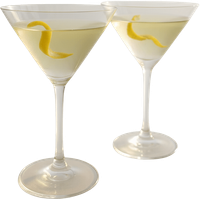
The Dry Martini is one of the most iconic and enduring cocktails in the history of mixology. Its precise origins remain debated, with references to similar gin-and-vermouth combinations appearing as early as the late nineteenth century. Some attribute its development to bartenders in New York during the 1880s, while others point to the West Coast, where the Martinez cocktail was a popular predecessor. By the early twentieth century, the Dry Martini had evolved into a leaner, more elegant version that quickly became a global standard. During the Prohibition era in the United States, the Martini gained additional prominence as gin was relatively easy to produce and distribute illegally. Its reputation as a drink of sophistication was solidified in the years that followed, particularly as it became associated with notable cultural figures and literary references. Writers, actors, and statesmen often celebrated the Martini, giving it an aura of refinement and exclusivity. The defining structure of the Dry Martini is a combination of gin and dry vermouth. The balance between these two elements has varied across decades, with early recipes calling for equal proportions, while modern interpretations often favor a higher ratio of gin, resulting in a drier, sharper character. The addition of orange bitters was once standard but has become optional in contemporary practice. Presentation is one of the Martini’s most distinctive qualities. It is traditionally stirred over ice until perfectly chilled and then strained into a stemmed cocktail glass. The garnish, either a lemon twist or a green olive, contributes aroma and flavor, while also sparking ongoing debate about which is the more authentic choice. This ritual of preparation has become a defining part of its identity, emphasizing precision and clarity. The Dry Martini has inspired countless variations, including the Vodka Martini, the Dirty Martini with olive brine, and many modern interpretations that experiment with ratios and garnishes. Despite these adaptations, the classic Dry Martini remains a benchmark for balance, simplicity, and elegance, often serving as a measure of a bartender’s skill. For those who savor a Dry Martini, the impression is one of crispness, clarity, and understated power. The botanicals of the gin combine with the herbal dryness of the vermouth to create a drink that is both refreshing and commanding. It remains a timeless symbol of sophistication and continues to stand as one of the most celebrated cocktails in the world.

Download on the App StoreGet it on Google Play
Dry Martini

Glass type

Cocktail glass

Details

The Dry Martini is one of the most iconic and enduring cocktails in the history of mixology. Its precise origins remain debated, with references to similar gin-and-vermouth combinations appearing as early as the late nineteenth century. Some attribute its development to bartenders in New York during the 1880s, while others point to the West Coast, where the Martinez cocktail was a popular predecessor. By the early twentieth century, the Dry Martini had evolved into a leaner, more elegant version that quickly became a global standard. During the Prohibition era in the United States, the Martini gained additional prominence as gin was relatively easy to produce and distribute illegally. Its reputation as a drink of sophistication was solidified in the years that followed, particularly as it became associated with notable cultural figures and literary references. Writers, actors, and statesmen often celebrated the Martini, giving it an aura of refinement and exclusivity. The defining structure of the Dry Martini is a combination of gin and dry vermouth. The balance between these two elements has varied across decades, with early recipes calling for equal proportions, while modern interpretations often favor a higher ratio of gin, resulting in a drier, sharper character. The addition of orange bitters was once standard but has become optional in contemporary practice. Presentation is one of the Martini’s most distinctive qualities. It is traditionally stirred over ice until perfectly chilled and then strained into a stemmed cocktail glass. The garnish, either a lemon twist or a green olive, contributes aroma and flavor, while also sparking ongoing debate about which is the more authentic choice. This ritual of preparation has become a defining part of its identity, emphasizing precision and clarity. The Dry Martini has inspired countless variations, including the Vodka Martini, the Dirty Martini with olive brine, and many modern interpretations that experiment with ratios and garnishes. Despite these adaptations, the classic Dry Martini remains a benchmark for balance, simplicity, and elegance, often serving as a measure of a bartender’s skill. For those who savor a Dry Martini, the impression is one of crispness, clarity, and understated power. The botanicals of the gin combine with the herbal dryness of the vermouth to create a drink that is both refreshing and commanding. It remains a timeless symbol of sophistication and continues to stand as one of the most celebrated cocktails in the world.
Ingredients

  • 1 2/3 oz Gin
  • 1/3 oz Dry Vermouth
  • 1 Olive

Instructions

  1. Straight: Pour all ingredients into mixing glass with ice cubes.
  2. Stir well.
  3. Strain in chilled martini cocktail glass.
  4. Squeeze oil from lemon peel onto the drink, or garnish with olive.

Frequently asked questions

With what glass should I drink Dry Martini?

Dry Martini is typically served in a Cocktail glass.

With what spirit should I prepare Dry Martini?

Dry Martini can be prepared with spirits such as Gin, Vermouth, Olive.

Find more like this in the app

Barlist brings tasting notes, stories, producers, bars, and discoveries into one mobile experience built for spirits lovers and professionals.

Download the app today

Download app
Barlist app preview