


Details
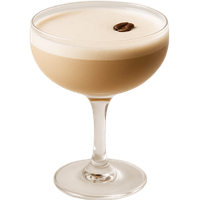
The Alexander Cocktail is a creamy and indulgent classic that first appeared in the early 20th century, during a time when rich, dessert-style cocktails began to find a place alongside more traditional, spirit-forward drinks. Its earliest known printed recipe is credited to Hugo R. Ensslin’s 1913 book Recipes for Mixed Drinks, the same guide that introduced the world to several other iconic cocktails before the onset of Prohibition. The Alexander stood out in this collection not because of strength or sharpness, but because of its smooth, velvety texture and delicate balance of flavors. The exact origins of the Alexander remain somewhat debated. Some stories suggest it was created at Rector’s, a famous New York City restaurant of the early 1900s, while others claim it was invented by bartender Troy Alexander, who allegedly crafted it as a pristine, white-colored drink to celebrate a dinner event in honor of Phoebe Snow, a character used in early 20th-century advertisements. Regardless of its true beginnings, the Alexander quickly became popular and established itself as a cocktail of elegance and novelty. What distinguished the Alexander from many of its contemporaries was its use of cream, a relatively unusual ingredient in cocktails at the time. While most mixed drinks focused on spirits, bitters, and citrus, the Alexander introduced a new category of cocktails designed to be both indulgent and accessible. The combination of gin, crème de cacao, and fresh cream created a sweet yet balanced profile that appealed to those who found strong, dry cocktails less approachable. Throughout the 20th century, the Alexander became a forerunner of a larger family of dessert-like cocktails. Its most famous variation, the Brandy Alexander, eventually surpassed the original in popularity, especially during the mid-20th century when brandy-based drinks had a strong following. Despite this, the original Alexander remained a respected recipe, particularly admired by bartenders who valued its historical importance and smooth construction. The cocktail’s character lies in the harmony between the botanicals of gin and the chocolate notes of crème de cacao, all softened by the cream. It was a departure from the sharp contrasts often found in other classic cocktails, instead offering a unified, mellow profile that lingered on the palate. This unique quality made it a popular after-dinner choice, bridging the gap between drink and dessert. Although its prominence waned during the late 20th century, when lighter and fruitier cocktails dominated, the Alexander has enjoyed a revival in recent years. Its connection to the early modern cocktail movement and its role in inspiring later cream-based creations ensure that it retains a permanent place in cocktail history. Today, it is valued not only for its taste but also as a reflection of the creativity and experimentation that characterized the early 1900s.